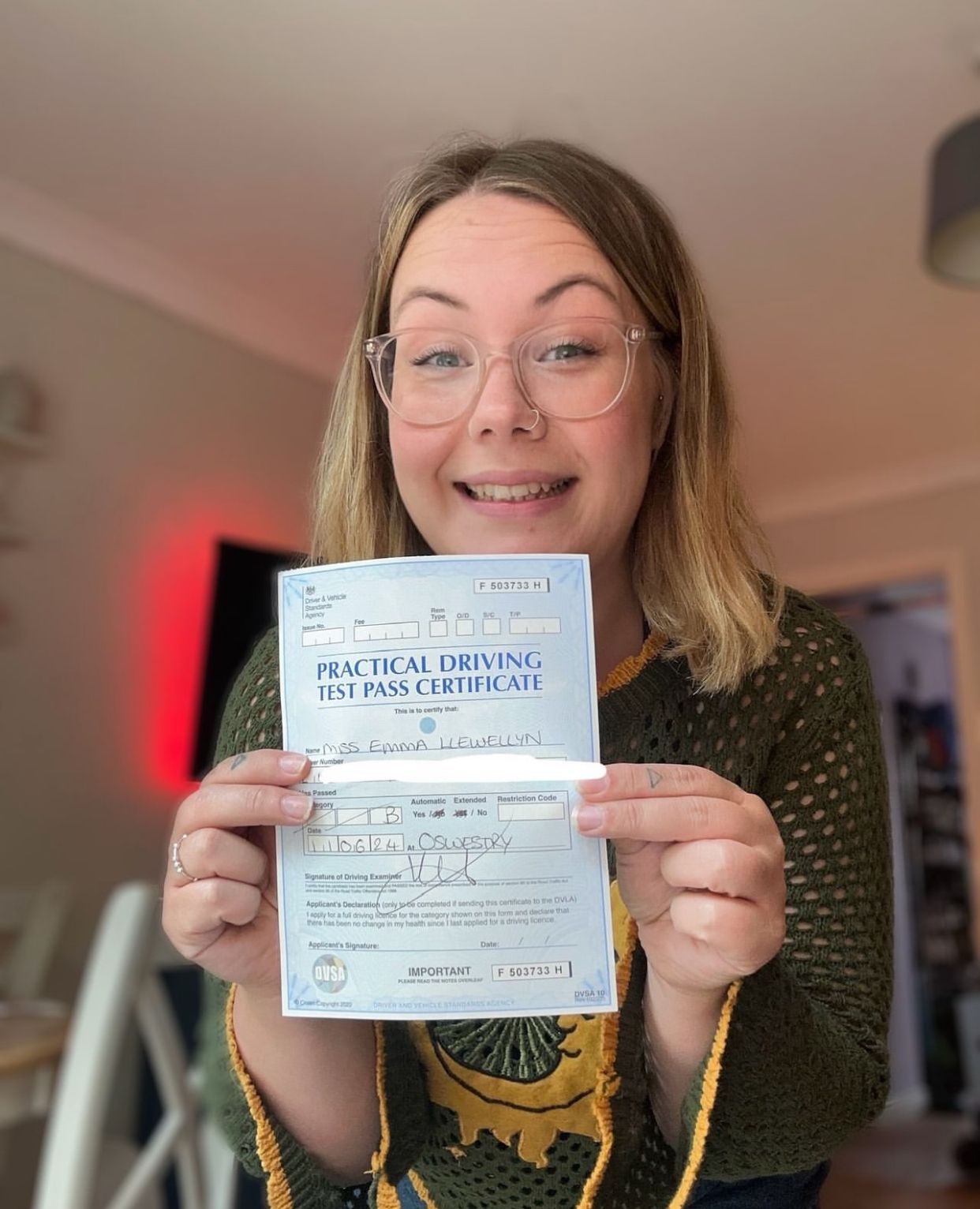
How to Get a Driving License in the UK
Getting a driving license in the United Kingdom is a significant turning point for many individuals. Whether one is a teenager excited to gain self-reliance, a young person looking for task chances, or a beginner to the UK wanting mobility, comprehending the steps and requirements of acquiring a driving license is important. This short article will direct readers through the process, offering essential info on the numerous phases, requirements, and tips for success.
The Importance of a Driving License
Having a driving license opens up various possibilities. It permits people the flexibility to travel without relying on public transportation, minimizes commute times, and can be important for specific task functions, especially those that require travel or driving. Beyond useful elements, getting a driving license typically supplies a significant increase to one's self-confidence and sense of self-reliance.
Phases of Obtaining a UK Driving License
The journey to becoming a licensed driver in the UK includes a number of stages:
1. Provisional License Application
Before one can begin discovering to drive, they need to request a provisionary driving license. Here's how:
- Eligibility: Applicants need to be at least 15 years and 9 months old but can not drive a car up until they are 17.
- Application Process: This can be done online through the DVLA website or through a paper form. Applicants will require to supply personal details, including their name, address, and National Insurance number.
- Payment: There is a cost for acquiring a provisional driving license, which differs based on the application technique-- typically around ₤ 34 online and ₤ 43 by means of post.
- Documents Required: A legitimate passport or another type of identity, along with an appropriate passport-style photograph.
2. Driving Lessons
As soon as a provisional license is gotten, the next action is taking driving lessons.
- Selecting an Instructor: Research and select a qualified driving trainer. Look for:
- Recommendations from friends or family.
- Online evaluations.
- Trainers registered with the DVSA (Driving and Vehicle Standards Agency).
- Lessons: Driving lessons normally range from one to two hours long and focus on various driving abilities, including:
- Road safety.
- Maneuvering vehicles.
- Understanding traffic guidelines.
- Practice: In addition to formal lessons, students need to practice driving with a buddy or member of the family who holds a complete driving license. The monitoring driver should be over 21 and have had their license for at least 3 years.
3. The Theory Test
Before taking the useful driving test, candidates need to pass the theory test, which includes 2 parts:
- Multiple-choice Questions: Test-takers respond to questions on topics such as roadway indications, traffic laws, and safe driving practices.
- Risk Perception Test: Candidates see video clips of driving situations and need to identify possible risks developing on the roadway.
The combined expense of the theory test is approximately ₤ 23. It can be booked online through the DVLA website, and it is advisable to prepare using apps, online courses, and practice tests offered.
4. The Practical Driving Test
After passing the theory test, learners can schedule their useful driving test.
- Scheduling the Test: The useful test can be reserved online, with costs normally around ₤ 62 on weekdays and ₤ 75 on weekends.
- What to Expect: The practical test takes around 40 minutes and involves:
- Vehicle safety checks.
- A roadway drive, where the inspector assesses driving skills in genuine traffic conditions.
- An independent driving part, where candidates browse using road signs or a sat-nav.
- Pass or Fail: Examiners score candidates on crucial elements of driving and will inform them of their performance instantly after the test.
5. Getting the Full Driving License
Upon passing the dry run, new drivers will get their complete driving license.
- Momentary License: A momentary driving license is typically issued up until the main one arrives, which can take several weeks.
- Crucial Notes: A passed practical test permits individuals to drive without limitations, however it is important to stay aware of road guidelines to maintain safe driving practices.
Frequently Asked Questions (FAQs)
Q1: How long does the whole procedure take?
The timeline for obtaining a driving license differs considerably based on private readiness, accessibility for lessons, and passing the tests. Normally, candidates can anticipate the complete process to take numerous months.
Q2: Can I drive with a provisionary license?
Yes, learners can drive with a provisional license as long as they are accompanied by a certified driver fulfilling the requirements.
Q3: Are there methods to expedite the learning process?
While practice is vital, some people pick intensive driving courses developed to prepare candidates for their tests in a much shorter timespan. This approach often leads to faster test preparedness.
Q4: What happens if I fail my dry run?
If a prospect fails the practical test, they must wait a minimum of 10 working days before retaking it. Lots of likewise choose to book extra lessons to improve their skills before trying again.
Q5: Is insurance required for provisional driving?
Yes, provisionary drivers require to be guaranteed to practice driving on public roadways. british drivers licence can normally be set up through their supervising driver's insurance coverage.
Getting a driving license in the UK is a structured process that requires preparation, understanding, and commitment. By following the detailed phases-- from acquiring a provisional license to passing the theory and dry runs-- aiming drivers can navigate the journey smoothly and emerge as confident, proficient drivers. Whether for personal freedom or expert need, the effort invested in getting a driving license is undoubtedly rewarding. For more questions or personalized assistance, people need to think about going to the main DVLA site or getting in touch with a local driving school.